

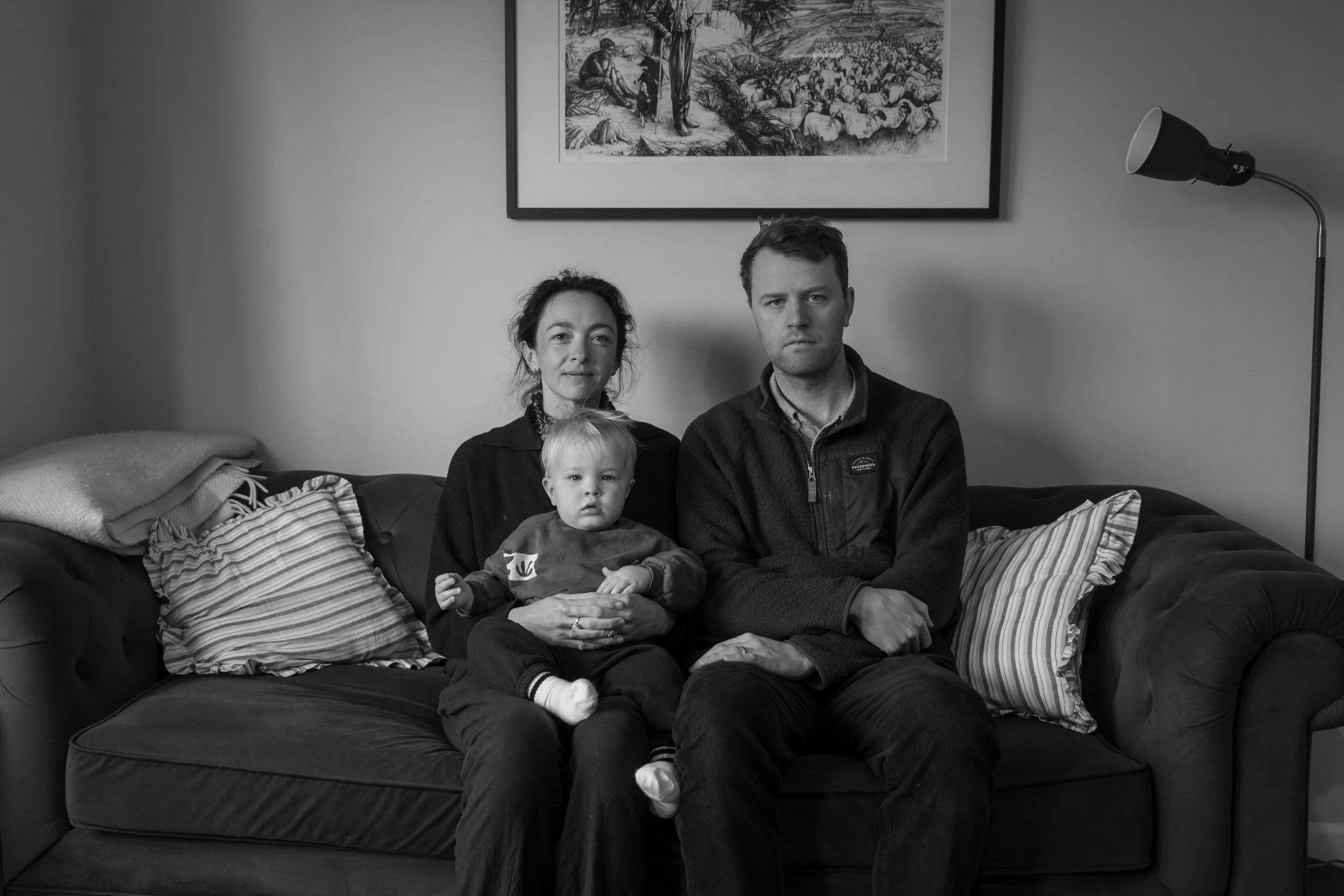
We are who SURROUND us
Emma Coombes is a documentary and street photographer, stemming from a fascination of people (and a bit of nosiness), a want to show the similarities that we all share with one another is where her passion for photography comes from. Coombes focuses on the quiet moments that would otherwise go unseen within society. Inspired by a handful of photographers such as Martin Parr and Bruce Gilden her work also takes a lot of inspiration from sociology and the scientific thinking behind collective behaviours and social interactions. Telling stories through imagery started with her street photography work and more recently has been focused on documentary projects such as her most recent work “We Are Who Surrounds Us”, other works include “Sonder” and “Mushrooms”.
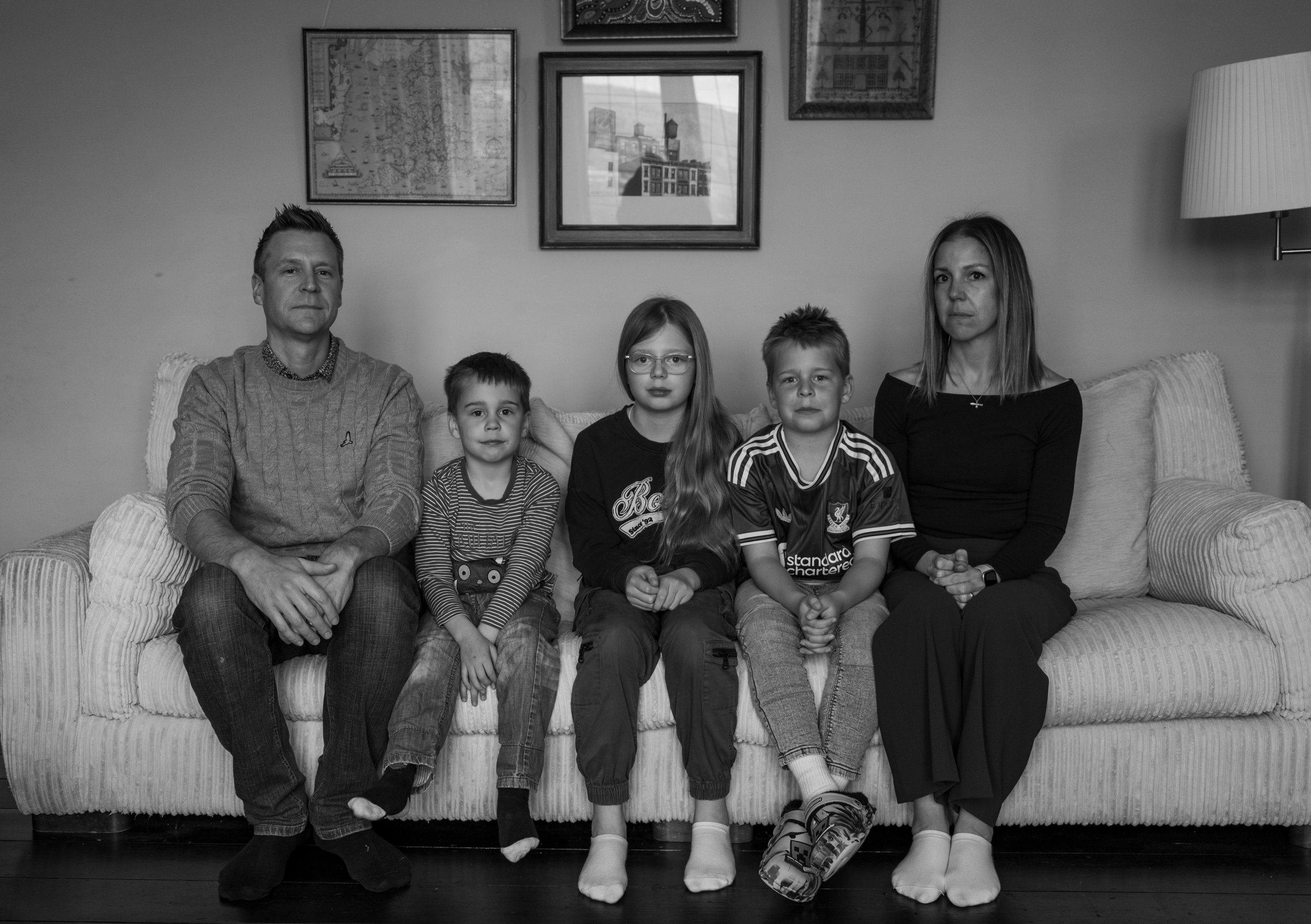
“We Are Who Surrounds Us” is an investigation into the concept of identity and place, specifically focusing on family dynamics and how the family can shape someone into the person they become, and their sense of belonging in the world. By documenting a variety of different family types the aim is to make a viewer focus on elements such as body language, hierarchy and individual presence within the groups. By removing the familiar language often associated with family portraits by asking the individuals not to smile in the photographs it creates images that feel a lot more observational and open to individual interpretation. Traditional family portraits often reinforce ideas of unity and normality; with this project instead, its aim is to question how identity within the family is presented and understood through photography. Place is also a key factor within the work as the environments in which the photographs have been taken are able to give you a glimpse into these families’ lives by showing small details about their relationships and personal memories.
where to find me: